

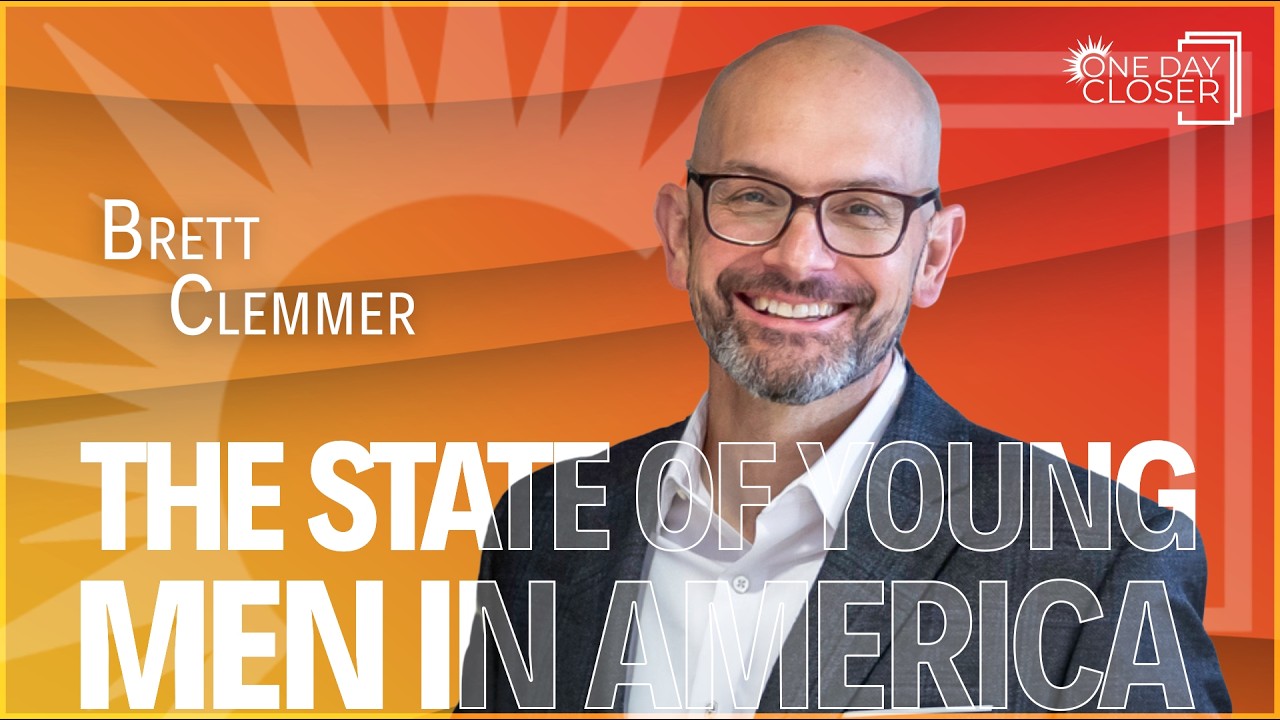
17 Jul The State of Young Men in America: What the Church Needs to Know
The State of Young Men in America: What the Church Needs to Know
Watch the full episode with Brett Clemmer: The State of Young Men in America – Season 3 (2026) – Lighthouse TV
Young men in America are struggling, but they are also searching. Rising loneliness, identity confusion, declining mental health, and disconnection from meaningful relationships are real challenges facing a generation of men. Yet underneath all of that, something surprising is happening. Young men are spiritually curious, and the church has a unique opportunity to meet them right where they are.
What Is Actually Happening With Young Men and the Church?
For the first time in recorded history, more men are reporting that they attend church than women. This shift is especially noticeable among younger men. While part of this reflects young women leaving the church due to cultural pressures, it still signals something significant: young men are showing up and getting involved.
Much of this growth is happening in liturgical churches, including Anglican, Catholic, Episcopal, and Eastern Orthodox communities. Young men seem drawn to beauty, ritual, and discipline. They want something that challenges them, not something that makes things easy.
This same hunger for discipline is showing up in secular culture too. Programs like 75 Hard, early morning workout groups like F3, and a renewed interest in stoic philosophy all point to the same thing: young men are looking for structure, challenge, and brotherhood.
What Are Young Men Really Looking For?
Young men are not looking for behavior modification. They are looking for heart transformation. Research consistently shows that what young men crave most falls into three categories:
- A clear sense of identity
- A meaningful sense of purpose
- Deep, intentional relationships
All real change happens in the context of relationship. When a man is left alone, he simply becomes more of who he already is. It is only through friendships, mentoring relationships, and community that genuine transformation takes root.
Why Belonging Must Come Before Behavior
For too long, the church has operated on a model that goes something like this: behave the right way, then believe the right things, and then you get to belong. That model is not working for young men.
The better approach flips that order entirely. Invite men into belonging first. Let them be surrounded by people who carry a healthy belief system. Let them catch it rather than just be taught it. Behavior follows belief, and belief is best formed in community.
This is not a new idea. It is actually the model Jesus used. He called the twelve and appointed them to be with Him. They made mistakes constantly, but that was how they learned. He entered their world, walked with them, and transformation followed.
The Role of Older Men: Spiritual Fathers and Mentors
One of the most striking findings from research on young men is how desperately they want older men to invest in them. When young men are asked whether they would welcome an older, mature man reaching out to grab coffee and simply walk alongside them, the answer is almost always an immediate yes.
This is not a complicated program. It is a relationship. Scripture is clear about this responsibility. “The things you have heard from me, pass on to reliable men who will then pass them on to others.” (2 Timothy 2:2). Titus 2 echoes the same call: older men are to invest in younger men.
The barriers that keep older men from stepping into this role tend to fall into three categories:
- Feeling unqualified: Not knowing enough Bible verses or theology. The truth is, you can learn together. You do not have to have all the answers.
- Feeling disqualified: Past failures, broken marriages, or strained relationships with their own kids. Those scars are not disqualifiers. They are actually qualifications. The lessons learned through hard experiences are exactly what younger men need to hear.
- Spiritual apathy: Simply not wanting to give up the time. But this is not giving up time. It is investing it. Older men who mentor younger men often find they receive just as much, if not more, than they give.
How the Gospel Meets Men Where They Are
Secular voices like Jordan Peterson and Joe Rogan have offered young men a framework rooted in stoic philosophy and personal responsibility. These voices have done some good, but they ultimately fall short. At the end of the day, they still come back to pulling yourself up by your own bootstraps. And when a man finally realizes he cannot do that on his own, that is exactly where the gospel steps in.
The church does not need to compete with those voices. It needs to offer what they cannot: grace, redemption, and a community that walks with a man through his actual life. Not his theological questions in the abstract, but the real stuff. A bad performance review at work. A frustrated spouse. Financial pressure. Parenting struggles. These are the places where the gospel is uniquely suited to help.
What This Means for the Church Right Now
The American church has leaned heavily intellectual for decades, prioritizing correct doctrine over lived community. Theology matters, but a young man drowning in real-life pressure does not need a debate about soteriology. He needs a brother who will sit with him, open a Bible with him, and help him figure out how to walk with Jesus through the mess of everyday life.
Young men want to be invited into a bigger story. The church carries the greatest story ever told. The challenge is to stop selling Sunday morning attendance and behavior checklists, and start inviting men into genuine belonging, real challenge, and life-changing community.
As John 1:14 reminds us, “The Word became flesh and dwelt among us.” Jesus entered our world at just the right time to rescue and redeem us. That is the model. Enter the world of the young men around you. Walk with them. The opportunity is right in front of us.
Life Application
This week, take one concrete step toward a younger man in your life. If you are an older man, think of one young man God has already placed in your circle, at church, at work, in your neighborhood, and reach out to invite Him for coffee. No agenda. No curriculum. Just show up and listen.
If you are a younger man, consider who in your life might be willing to walk alongside you, and be willing to ask.
Ask yourself these questions as you reflect this week:
- Is there a younger man in my life who could benefit from me simply showing up and being present with him?
- What is holding me back from stepping into a mentoring relationship, and is that barrier actually as real as I think it is?
- Am I inviting people into belonging first, or am I expecting them to clean up before they can connect?
- Where in my own life do I need the kind of intentional spiritual friendship I might be withholding from someone else?